As our country is at crossroads today, more than the pandemic it is an unequal socio-economic structure which has accelerated the problems of the pandemic
The Policy Monitor
As our country is at crossroads today, more than the pandemic it is an unequal socio-economic structure which has accelerated the problems of the pandemic
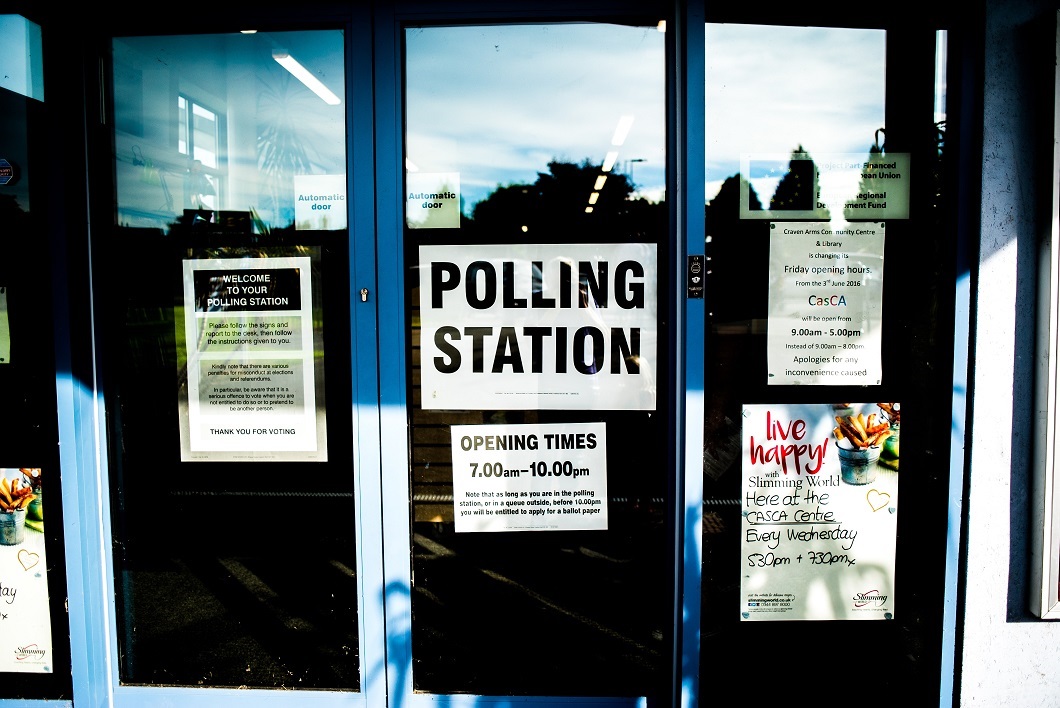
Democracies need to evolve both to cater to the needs of citizens and meet demands of the new generations. In this regard, India has been debating over the issue of Proportional Representation (PR) versus First – Past – The – Post (FPTP) for decades.
Though I am sceptic regarding the path of recovery, whether it would be V, W or K-shaped, but if this way of dealing the situation continues, my vote goes for the letter O

‘basic’ should be interpreted as those significant cognitive and psycho-social skills that are necessary to interact with and interpret the world.
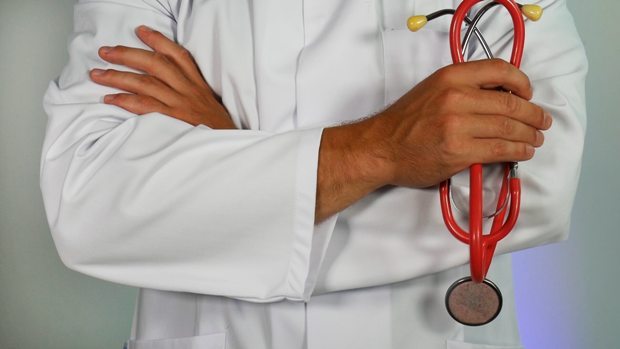
The challenge in India is to deliver a high volume of quality medical services at affordable low costs requiring breakthrough in healthcare delivery.
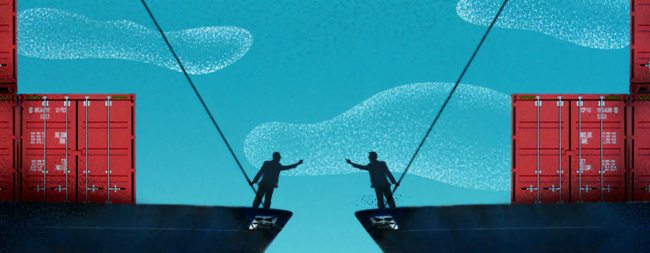
India’s institutional policy has to complement its industrial policy and not the other way round
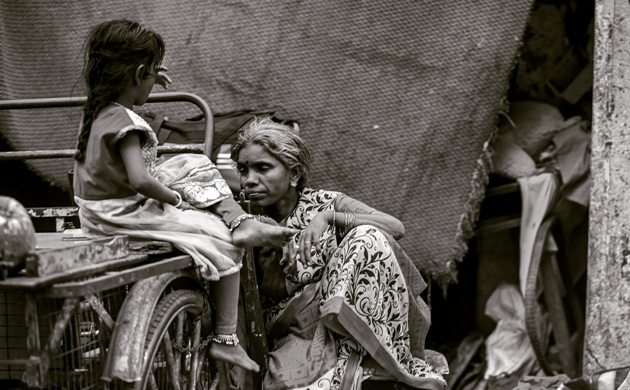
Unpaid work is not valued due to its excess supply
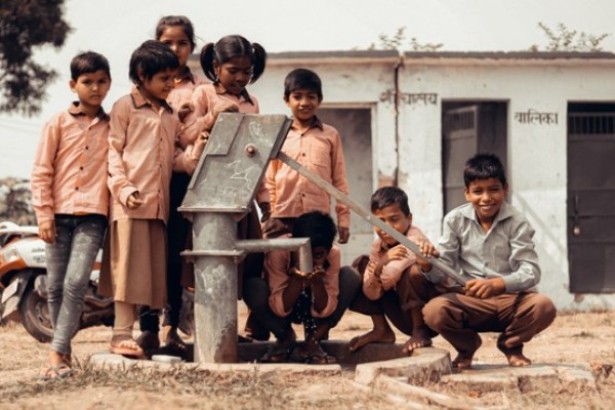
The escape from COVID and the return to normalcy still remains a contentious issue debated by a plethora of health experts and economists, but what seems clear is that the right to internet is inextricably linked to the right to education and right to health in these trying times

Any enforcement of mutual exchange becomes exploitative even within free markets if over-riding socio-economic inequalities are ignored and institutions are imposed from the top.
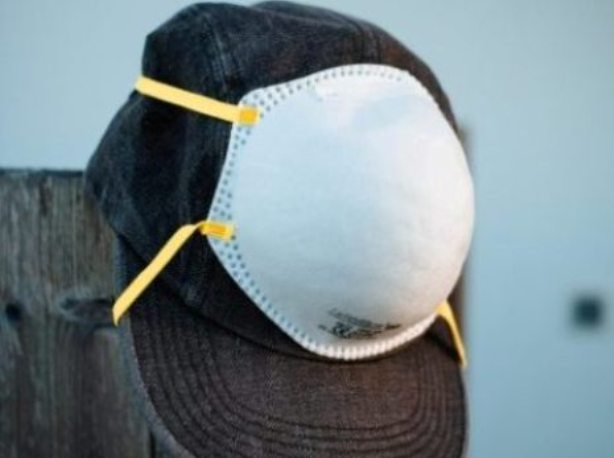
straightforward economic reasoning suggests that unemployment is an important determinant of the supply of criminal offenders and hence, the overall crime rate.