Since its inception in 2018, SBSF Consultancy has been working with seed companies, FPOs, FPCs, Universities and other government and non-government agencies.

The Policy Monitor

Since its inception in 2018, SBSF Consultancy has been working with seed companies, FPOs, FPCs, Universities and other government and non-government agencies.

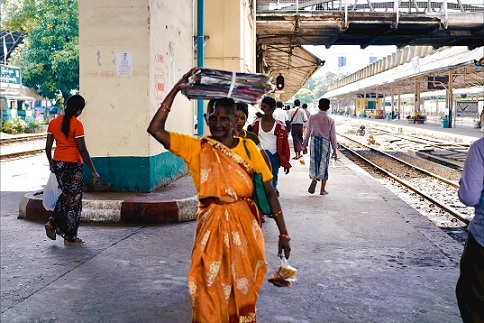
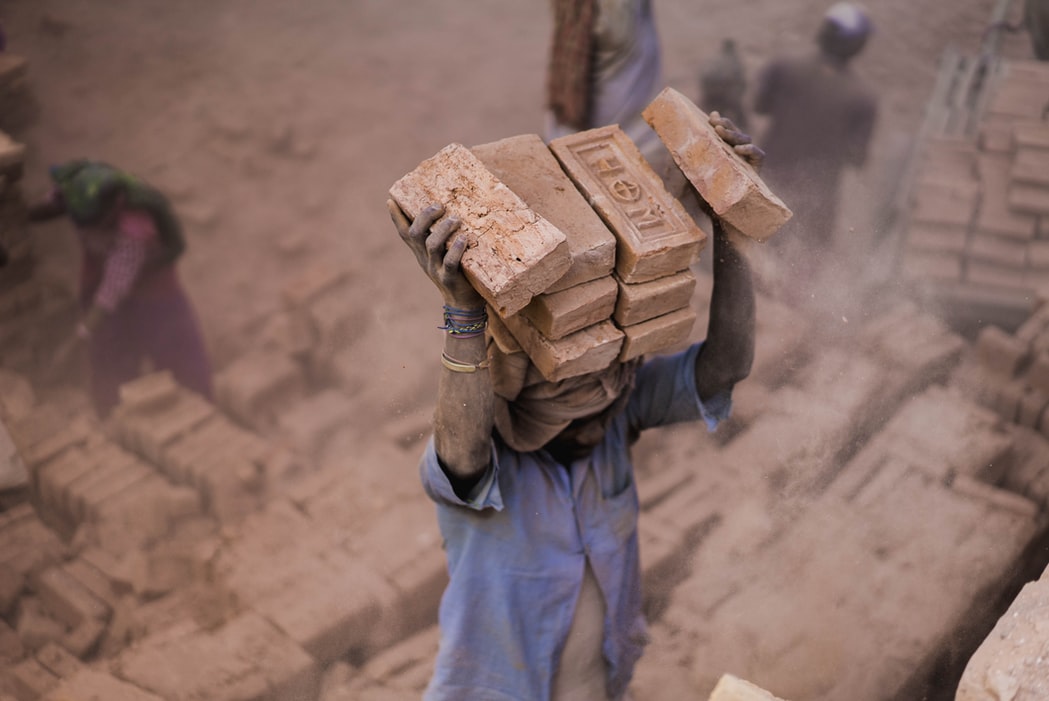
This crisis has bared the picture of workers in the lowest rungs of our economy, who hold up crucial sectors and are all but missing when it comes to focused policies and dedicated social infrastructure. The central and state governments sure have announced migrant labourer registration measures and migration commissions to regulate hiring, recently.

In the presence of limited economic resources for public allocation, human rights should be a policy imperative for the organization of economic system itself

it is very important to understand that the true economic impacts of the lockdown and the pandemic will take time to unfold and reveal itself. But it’s certain that a decline in economic activity will contribute to the after-effects of the pandemic, and directly impact how our economy functions as a whole

Doing away with the labour laws is no less than taking a U-turn from formal to informal employment.

Once the nationwide lockdown is eased, initial supply chain disruptions might impart cost push inflation while on the other hand, lack of demand (except for the essentials) due to lost income would force the aggregate price level to stay low.

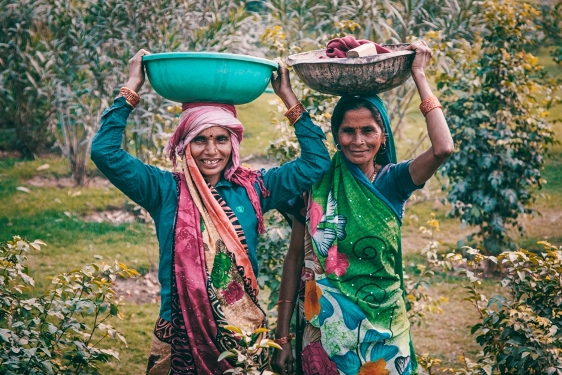
More than 90% of India’s labour-force is employed in the informal sector, with limited social security benefits. This informalisation of labour-force does more harm than good and has serious repercussions on a nation’s growth patterns. Two basic policy interventions to improve existing labour conditions in developing countries are: a) increasing […]

An analysis suggests that handing out ₹7000 per month for a period of 3-months combined with 10 KG of free food grains a month for 6-months will come to cost only 3% of our GDP! This would classify as “stimulus” as it revives demand, even though for basic goods and services from those whose propensity to save is minimal. Keynes suggested, during World War II, that the only way to fund the war expenses of the Allied forces was through a “forced transference of purchasing power”.

Reality bites when low government/low-income schools try to keep pace with online education despite inadequate access to the internet, mobile phone, and computers. They are already struggling to survive on basic food and shelter with learning as no longer a priority.

Wage determination, therefore, becomes less and less a function of demand and supply and more and more a function of class power. If we take the regular demand-supply framework into consideration, we realise that the present pandemic not only causes a negative shock on the aggregate demand levels but also the aggregate supply levels