The ability of a bank to absorb losses on its capital is compromised when its Capital Adequacy Ratio (CAR) is low. India, amongst its G-20 peers, falls on the lower side of the ratio as a proportion to risky assets.
The Policy Monitor
The ability of a bank to absorb losses on its capital is compromised when its Capital Adequacy Ratio (CAR) is low. India, amongst its G-20 peers, falls on the lower side of the ratio as a proportion to risky assets.
The state of the Indian Economy is right now best described as worrisome and the latest macroeconomic figures are anything but a reassurance. Dipping growth, shrinking core sectors, rising inflation with even higher unemployment is what in economic theory is defined to be a stagflation or recession-inflationary territory, even though […]

Despite the magic, fundamental economics still applies in the wizardry world. A flip through one of the seven wonders of the Potter series will clearly project how far it is from the so-called utopian dream.

Singapore spends only 4% of its GDP on healthcare but sets-up world-class medical institutions spending 70 % less than Canada and 50% less than the United States. Innovative cost-saving features and health savings have conveyed the small island’s motto of good governance.

Amidst all the hopeless possibilities, this 29th of December published a report whereby the Confederation of Indian Industry (CII) noted nascent signs of recovery in the Purchasing Managers Index (PMI) of manufacturing and services that boosted their expectations of the economy rebounding in 2020.

It reminds me how India became close to self-reliant in edible oil by doubling the output from 7.0 million tons of oil to nearly 14.0 million tons in no time with the launching of First Technology Mission on Oilseeds (TMO) in 1986. The simple interventions were price incentive to oilseed growers, procurement guarantee and total restriction on import of edible oils.
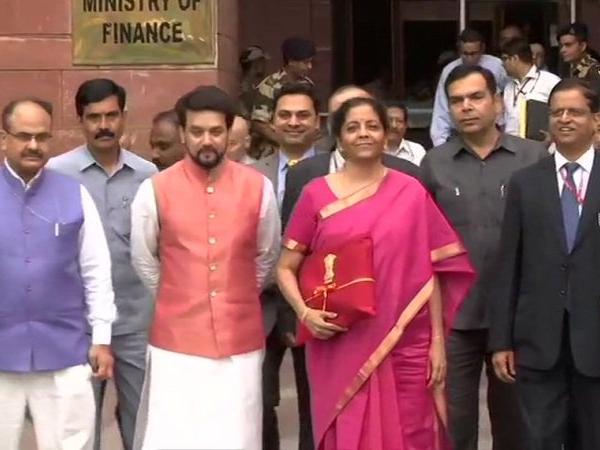
While the finance ministry tries to address the slowdown by spending beyond what their pockets allow, it must not forget to ensure that the numbers are credible over the medium term. Moreover, it’s time we discuss about the credibility of finance ministry as much as we bat for a credible central bank.
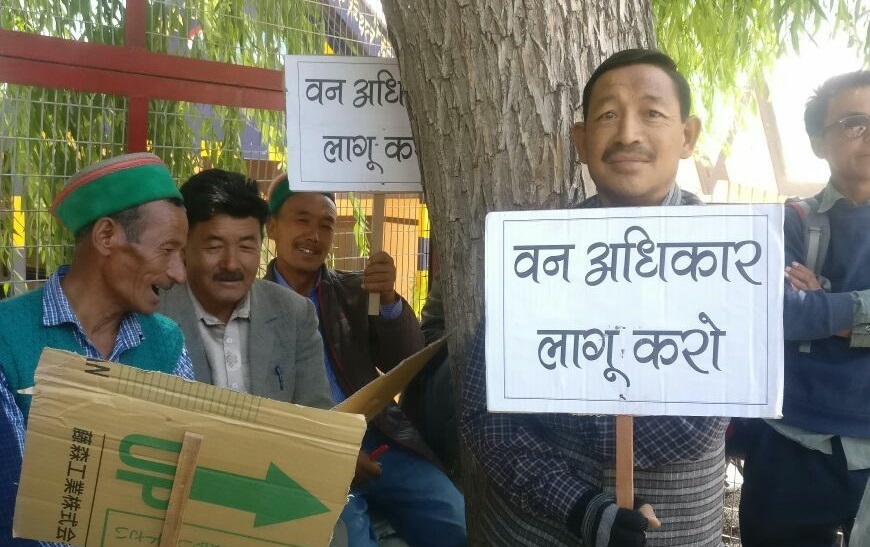
If we see the implementation at the district level, where the act is finally going to get approved the non-compliance due to the ‘pressure’ by the State government in the name of development questions the very fundamental idea of ‘development, where people are not empowered to have legal backing for there voice when the same voice is going to challenge the so called development discourse of the state.

In the times to come, climate protection and adaptation investments will become a precondition for peace and stability, and will require unprecedented efforts to transform societies, economies, infrastructures and governance institutions.

Work, worker and workplace- these three terminologies are undergoing a massive transformation today, spurred by the three forces of change- technology, demography and customer empowerment.