At a time when the world is busy addressing logistical and technical hurdles surrounding vaccine development, it should not be the case that something as avoidable as skepticism ends up being another nail in the coffin of mass immunization

The Policy Monitor
At a time when the world is busy addressing logistical and technical hurdles surrounding vaccine development, it should not be the case that something as avoidable as skepticism ends up being another nail in the coffin of mass immunization

Odisha with its all-round preparation and fight against COVID has seen positive results. The second Covid-19 wave has been now under control in Odisha with cases declining by 0.5- 1% daily. For every 1 lakh population around 28,500 have been tested. The recovery ratio has reached a high of 92%.

Somewhere between the policy’s pro-business intentions to its pro-big businesses approach, the principles of equality has been lost

Bangladesh has
seen both structural transformation and the rise of sectors capable of generating decent foreign
exchange earnings, which has helped policymakers sustain comfortable macroeconomic
fundamentals

The consumer no more works on the basic
economic assumption of rationality. Under the influence of psychological and social factors,
the consumer desires to conform to societal norms. The consumer does not only consume the
good for its intrinsic value but also to climb up the virtual social ladder.

The unfortunate reality is we have to choose between life and education because of unaccountable governance at multiple levels. When the numbers of COVID in our rural demographics were not significant, school remained closed because we do not have decentralized decision making
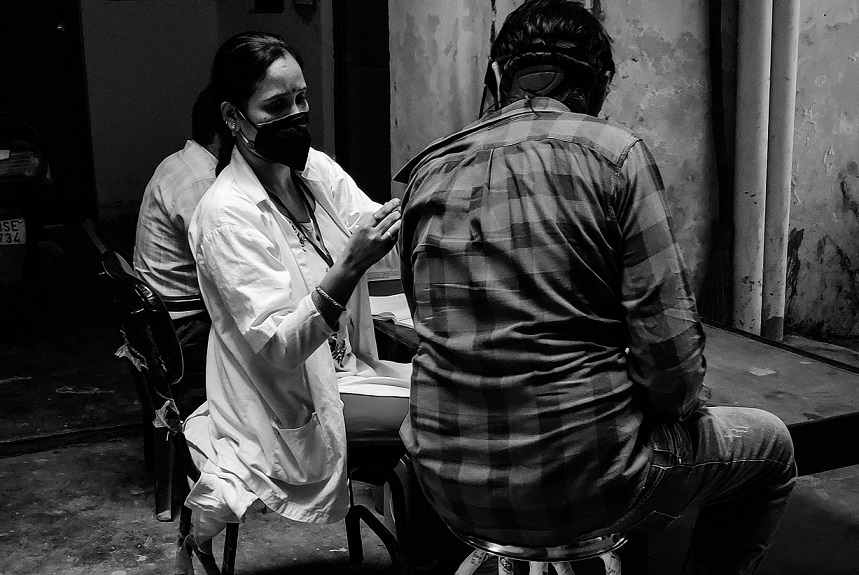
It’s time for the nation to apply the lessons from its unexpected achievements in the past to ignite a health revolution for a bright future. It’s time for the nation to sit back and re-evaluate what is lost and what could have been saved. It’s time for the nation to not settle but instead, move on to a better normal.
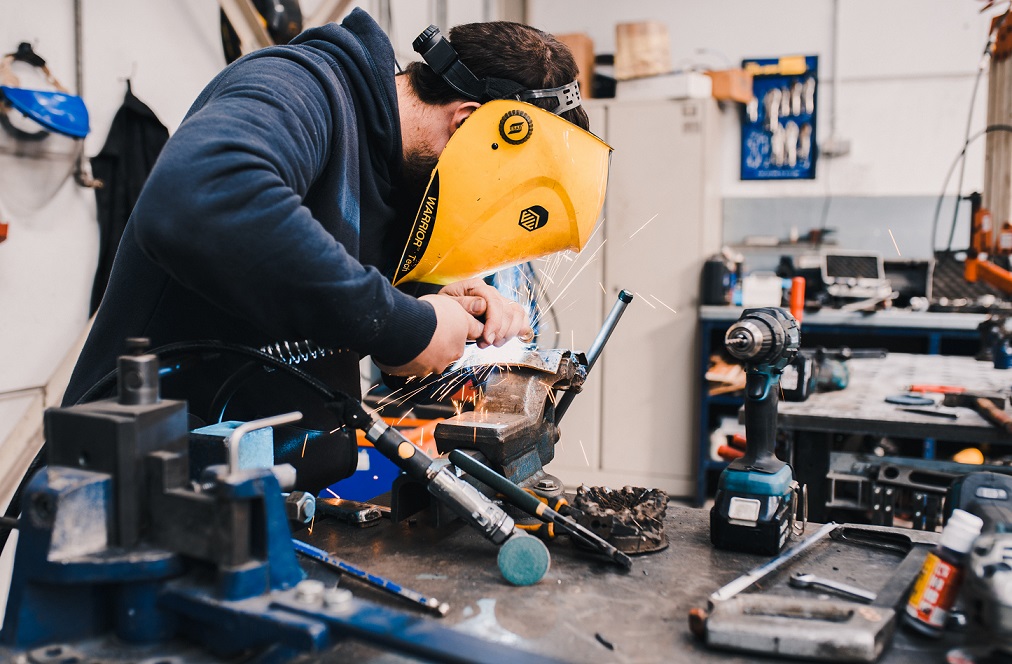
Focusing on institutionalising loan restructuring for MSMEs could ameliorate the structural long-run issue of high defaults. Further, apart from all this supply side facilitation, the government must start thinking about the demand side of the economy since its deceleration has been at the core of the chronic economic slowdown, which has certainly impacted the MSMEs adversely.
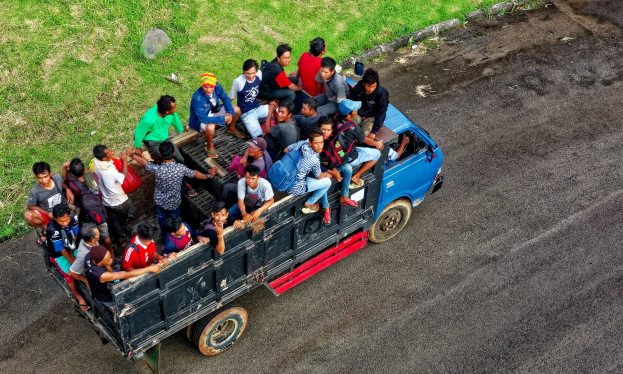
A recent study by LSE found that 52% of urban workers went without work or pay and received no financial assistance for over a month. Bihar’s emergency assistance programme has been cited as a rare example of sub-national government’s efforts to identify, onboard and disburse payments to the migrants during the ongoing pandemic.

In the past few years it is apparent that only the Indian IT/ITES industry has been able to learn, catch-up, develop, and successfully accesses global technological standards. Although the same cannot be said for our product market industry where innovation is far away from making a global footprint.