India’s continuing emphasis on centralized production of energy, including in renewables, may lead her into a situation China finds itself in now: the government is being forced to dismantle thousands of badly planned dams.

The Policy Monitor
India’s continuing emphasis on centralized production of energy, including in renewables, may lead her into a situation China finds itself in now: the government is being forced to dismantle thousands of badly planned dams.

For India’s urban areas to become more growth-oriented and productive and to increase the
capacity of the administrators, it is critical to build an excellent urban infrastructure, with
efficiency in service delivery and funding at the top of the priority list.
While the Central Government undoubtedly provides strategic leadership, state legislatures have a critical role in not just transferring capacities, assets, and functionaries, but also in creating an empowering environment through administrative and institutional transformation. A close assessment of total municipal income reveals that they accounted for only 1.08 percent of GDP in 2007–2008, and then dropped to 1.03 percent of GDP in 2012–2013.

The benefits of natural experiments to create innovative research designs, aimed at finding credible evidence to answer important policy questions are well-known. Recently, David Card, Joshua D. Angrist, and Guido W. Imbens received the prestigious Nobel Prize 2021 award for offering new insights on labour markets and showing what conclusions about cause-andeffect can be drawn from natural experiments.
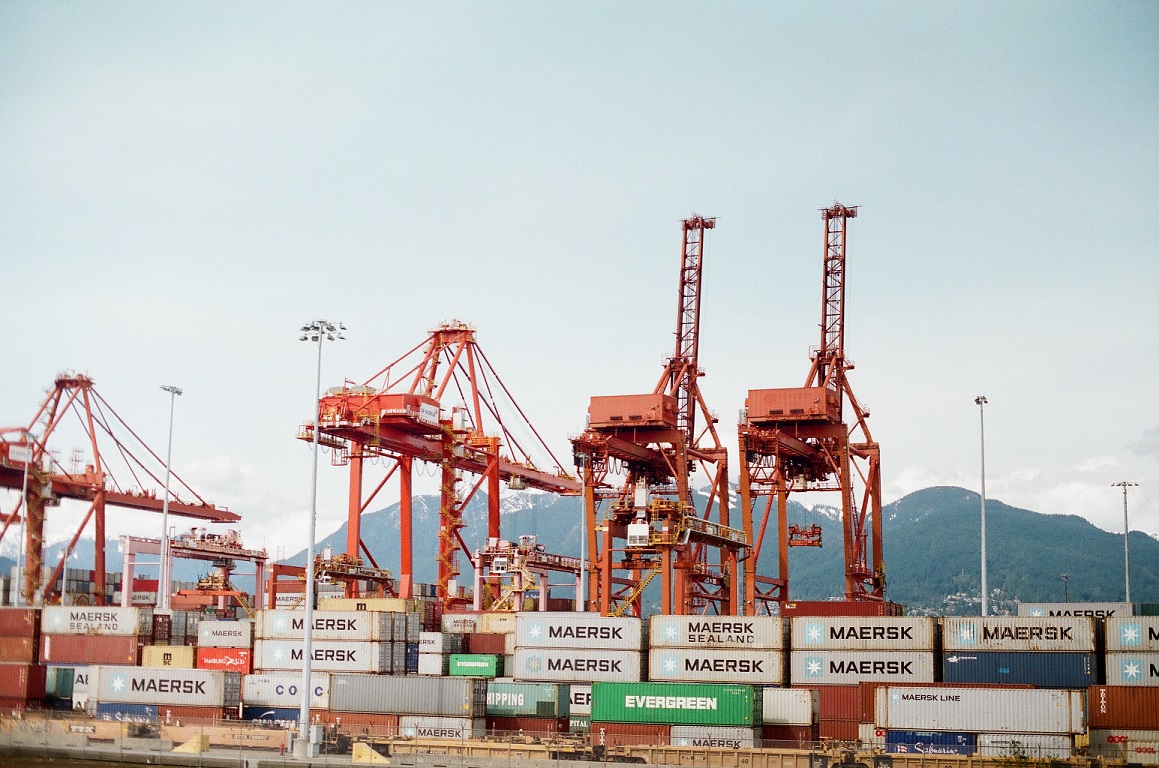
Oilseeds and Pulses, the major sources of vegetable oil and protein are most suited for Indian soils and range of agro-climates. Oilseeds crop, on an average, requires 900 litres of water for 1 kg worth produce. Whereas Pulses, the far more water use efficient crop just requires 50 litres of water to realize 1 kg produce. So, India as a policy must put emphasis on low water demanding high value energy crops with rational allocation of irrigated areas to overcome chronic shortages and mop up sizable revenues from exports.

Research on national and sub-national fiscal responses to sports promotion in schools through development of infrastructure is sparse. This paper examines whether the states’ and centre’s sports expenditures have led to improved sports infrastructure as playground facility at the school level in all the states combined. The empirical results suggest that the states should increase their efficiency in public sports spending, which is not only low but also characterised by arbitrariness especially when the implications of the central government’s budgets are seen to have remained insignificant in order to encourage the states to provide the playground facility in the schools.

The up and coming exercise in the world of luxury seeking class has been the exchange taking place in the NFT market. Non-fungible tokens (NFTs) are unique, identifiable digital assets whose exchange between the creator and the buyer takes place in a cryptocurrency, usually etherium. It has stirred a lot of intrigue among investors. Whether or not it is here to stay is a question only time can answer, but while it is here, it has gained substantial momentum.

While the introduction of this bill is in the right direction, certain provisions are a cause for concern as they seek to provide blanket powers to the state. Additionally, provisions for data localisation, cross border data transfer restrictions and compliances are expected to add a significant financial burden on insurers.
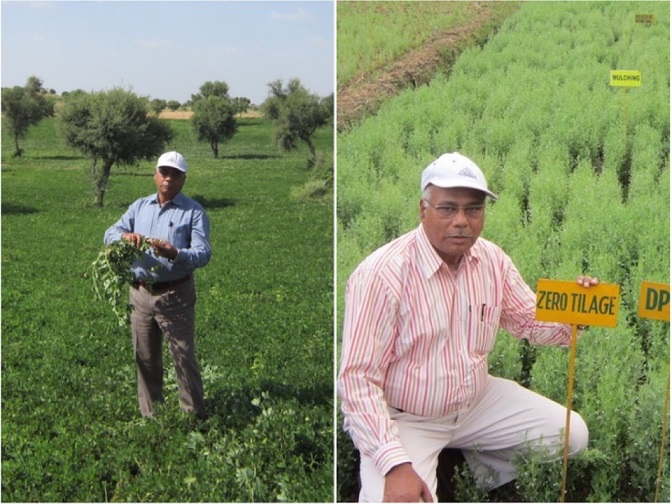
Needless to say, it’s a lopsided agricultural policy having no state-wise balanced crop production plan meeting overall requirements of essential commodities, though agriculture is a State Subject

To examine the validity of reparations, we need to analyse the extent of the damage caused. In case of India (a former British colony), India was de- developed under British raj. British policy was designed to destroy India’s domestic industries (like handmade textiles ) by imposing asymmetrical tariffs, by dismantling the institutions that trained up producers, and in some cases even by maiming skilled artisans – all to create captive markets for British goods.